
2025 Harley-Davidson® Pan America® 1250 ST near Evans, GA
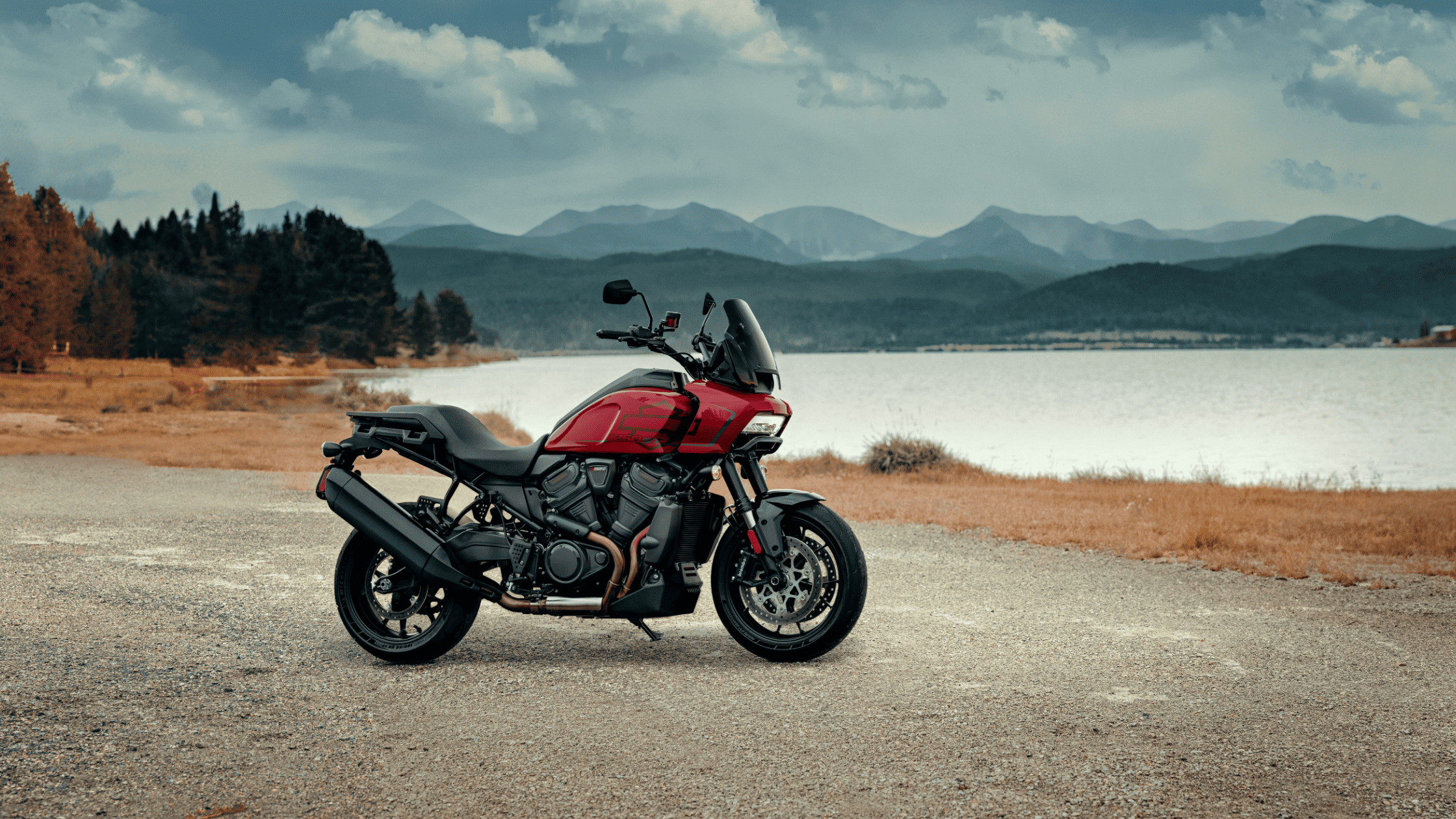
The 2025 Harley-Davidson® Pan America® 1250 ST is engineered for strong pavement performance supported by a revised chassis configuration, updated components, and a recalibrated design that suits daily commuting and long-distance travel on road surfaces. This bike maintains the fundamental mechanical structure of the Pan America® platform but refines its geometry, suspension setup, and bodywork to suit riders who prioritize street handling and predictable response. The changes begin with a lower stance, a slimmer profile, and 17-inch wheels equipped with high-performance tires designed for increased grip and efficient cornering. The combination of reworked ergonomics, integrated engine structure, and rider-focused systems results in a motorcycle that produces consistent behavior during acceleration, braking, and directional changes.
Revolution® Max 1250 Engine Configuration
The Revolution® Max 1250 V-Twin engine produces 150 horsepower and 94 foot-pounds of torque. It is a liquid-cooled powerplant designed to deliver a broad and usable powerband suitable for on-road applications. The engine is integrated as a structural component within the chassis to increase stiffness and reduce overall weight. This configuration supports steering precision and improves alignment between the frame and suspension elements. The engine contributes to predictable throttle response, stable operation through varied speeds, and efficient mechanical performance across a wide range of riding conditions.
Wheel Design and Handling Characteristics
The 2025 Harley-Davidson® Pan America® 1250 ST shifts to 17-inch cast aluminum wheels equipped with Michelin® Scorcher Sport tires. This adjustment changes the handling dynamics by improving road feedback and increasing the motorcycle's ability to move quickly through directional transitions. The wheel and tire combination offers strong stability during corner entry and exit along with consistent traction on paved surfaces. The design supports a balanced connection between the powertrain output and the contact patches of the tires, allowing the motorcycle to maintain controlled behavior during acceleration and braking.
Suspension Development and Lowered Chassis Setup
The suspension system includes SHOWA® Balance Free 1.8-inch front forks and a SHOWA® Balance Free rear monoshock. The system features electronically adjustable preload and manually adjustable compression and rebound, allowing riders to fine-tune suspension performance based on load and environment. The lowered suspension reduces the center of gravity, which helps improve steering accuracy and overall balance during turns. This reduced height also eliminates unnecessary ground clearance that would otherwise be tailored for off-road riding. The result is a setup that remains consistent during high-speed travel and offers steady contact with the pavement.
Adaptive Ride Height Functionality
Adaptive Ride Height is included on North American models. This system can lower the motorcycle by up to one inch when stopped, assisting the rider during mounting, dismounting, and low-speed footing. Once in motion, the system returns the suspension to its intended operating height for proper geometry. The function works automatically and does not require rider input. This feature supports comfort and stability during stop-and-go riding situations.
Seat Structure and Ergonomic Adjustments
The 2025 Harley-Davidson® Pan America® 1250 ST includes a one-piece seat designed to lower the overall seat height to 31.7 inches. The seat shape provides secure contact for the rider while maintaining the ability to maneuver through corners with stable body positioning. Its structure helps maintain control during extended travel and contributes to predictable weight distribution. By lowering the seating position and narrowing the profile, the motorcycle becomes more accessible for a wider range of riders. The ergonomic changes align with the model's intention to remain focused on pavement usage.
Bodywork and Aerodynamic Refinements
The front fender is positioned close to the front Michelin® Scorcher Sport tire to achieve a sleeker appearance and improved airflow. A low-profile smoked windshield contributes to a reduced frontal silhouette while still offering upright coverage for the rider. The fairing and fuel tank are shaped for an adventure sport design adapted to road performance requirements. The tank accommodates extended travel distances, contributing to reduced fuel stops during trips. Blacked-out styling across the muffler and powertrain components creates a consistent appearance that matches the model's streamlined form.
Braking System and Stopping Control
The braking system includes dual front Brembo® Monoblock radially mounted 4-piston calipers paired with 12.6-inch rotors. This setup supports strong stopping capability with consistent lever feel. The rear braking system includes a single-piston Brembo® caliper with an 11-inch rotor, contributing to balanced rear braking control. The system is tuned to respond accurately during both aggressive and moderate braking situations. The combined structure provides reliable braking power during varied speed ranges.
Quickshifter Mechanism
The quickshifter enables clutchless upshifts and downshifts. This mechanism reduces interruptions in power transfer and allows smooth transitions between gears. The function is operated through simple foot movement and is designed to protect the transmission during gear changes. The system supports efficient acceleration and reduces the need for manual clutch engagement during dynamic riding. This feature contributes to consistent performance in environments where rapid gear transitions are required.
Rider Safety Enhancements and Electronic Support Systems
The 2025 Harley-Davidson® Pan America® 1250 ST includes multiple electronic systems focused on stability and traction control. The anti-lock Brake System prevents wheel lock during straight-line braking. Electronic Linked Braking can apply braking force to both wheels to improve stability and reduce stopping distances. The Traction Control System regulates rear wheel slip during acceleration to maintain forward stability. The Drag-Torque Slip Control System minimizes rear wheel lock caused by abrupt downshifts or quick throttle reductions.
Vehicle Hold Control secures the motorcycle on inclines until the rider resumes forward motion. Tire Pressure Monitoring alerts the rider to improper tire pressure. Wheel Lift Mitigation helps maintain wheel contact during heavy acceleration or braking.
Cornering enhanced systems include Cornering ABS, Cornering Electronic Linked Braking, Cornering Traction Control, and Cornering Drag Torque Slip Control. These systems adjust intervention based on lean angle to maintain steady control during turns. Enhanced Lift Mitigation works with the motorcycle's Inertial Measurement Unit to refine lift control with greater precision. These systems operate collectively to support consistent handling across various speeds and turning conditions.
Integrated Technology and Display Features
The motorcycle includes a 6.8-inch TFT touchscreen display. The screen presents essential riding information and supports Bluetooth® connectivity. The interface allows access to navigation prompts, media controls, and phone functions. It also assists in managing selectable ride modes that adjust throttle response, power delivery, and electronic intervention. The display is positioned to remain visible without interfering with rider focus.
Street Touring Application and Structural Characteristics
The 2025 Harley-Davidson® Pan America® 1250 ST weighs 542 pounds in running order. The slimmed bodywork and lighter components contribute to responsive handling and reduced rider fatigue during extended operation. The muffler has a lightweight construction intended to maintain performance while reducing mass. The motorcycle supports strong pavement performance through its recalibrated suspension, optimized tire selection, and balanced chassis stiffness. These elements function together to provide steady behavior during city travel, highway speeds, and backroad routes.